Home › Asphalt Resurfacing & Overlays
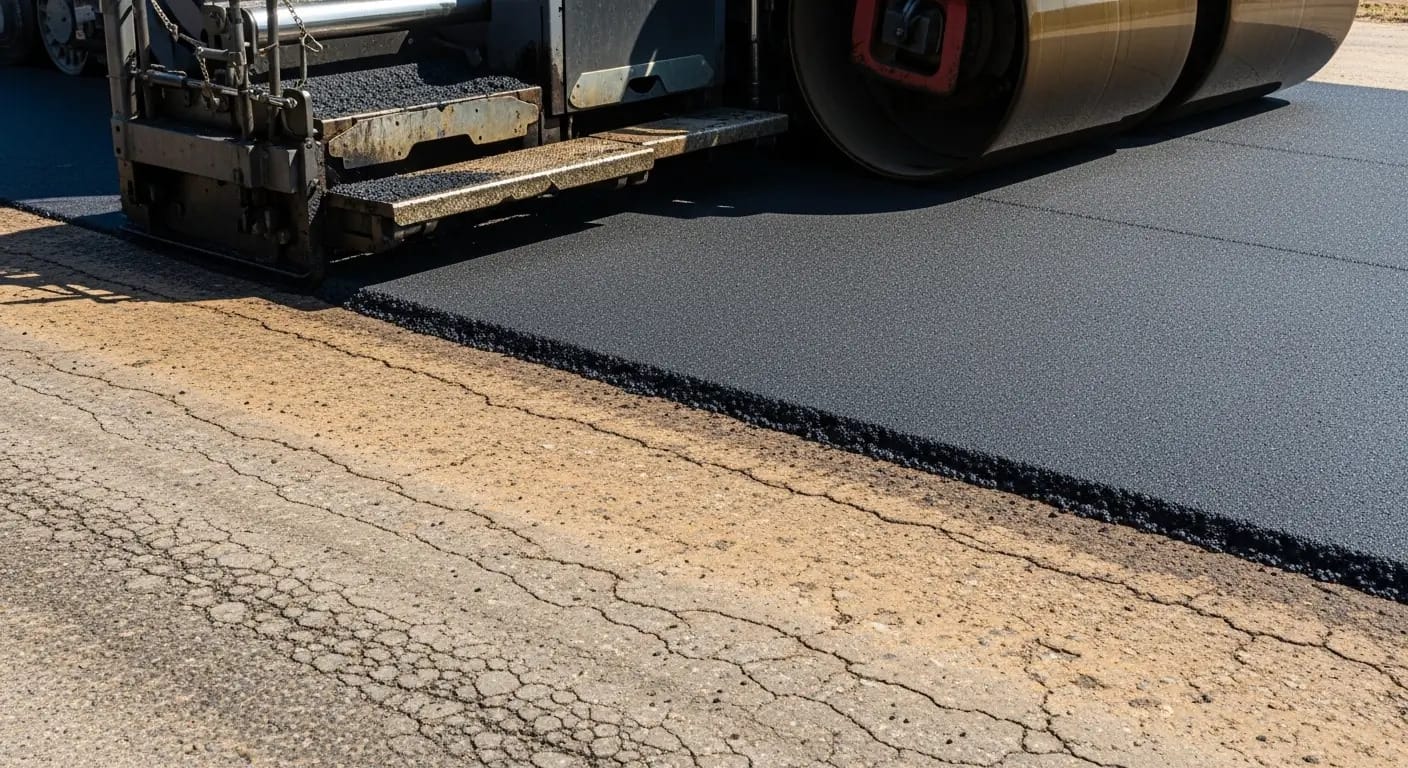
Our asphalt resurfacing in Tucson, AZ renews tired, weathered driveways without the cost of a full tear out. We repair major defects, apply a leveling course if needed, then install a fresh asphalt overlay for a smooth, clean finish. It is a smart way to extend the life and appearance of your driveway on a budget.
Precision Asphalt Tucson provides professional asphalt resurfacing throughout Tucson, AZ, Arizona and the surrounding area. Our licensed, insured crew delivers safe, clean, on-time work with a free estimate before anything begins. Call (520) 900-1515 or request your free quote.
Asphalt Resurfacing & Overlays in Tucson’s Climate
Asphalt resurfacing, sometimes called an asphalt overlay, is often the best option when your pavement looks worn, cracked, or uneven but the base underneath is still solid. At Precision Asphalt Tucson, we focus on extending the life of your parking lots, private roads, and driveways without tearing everything out if it is not necessary.
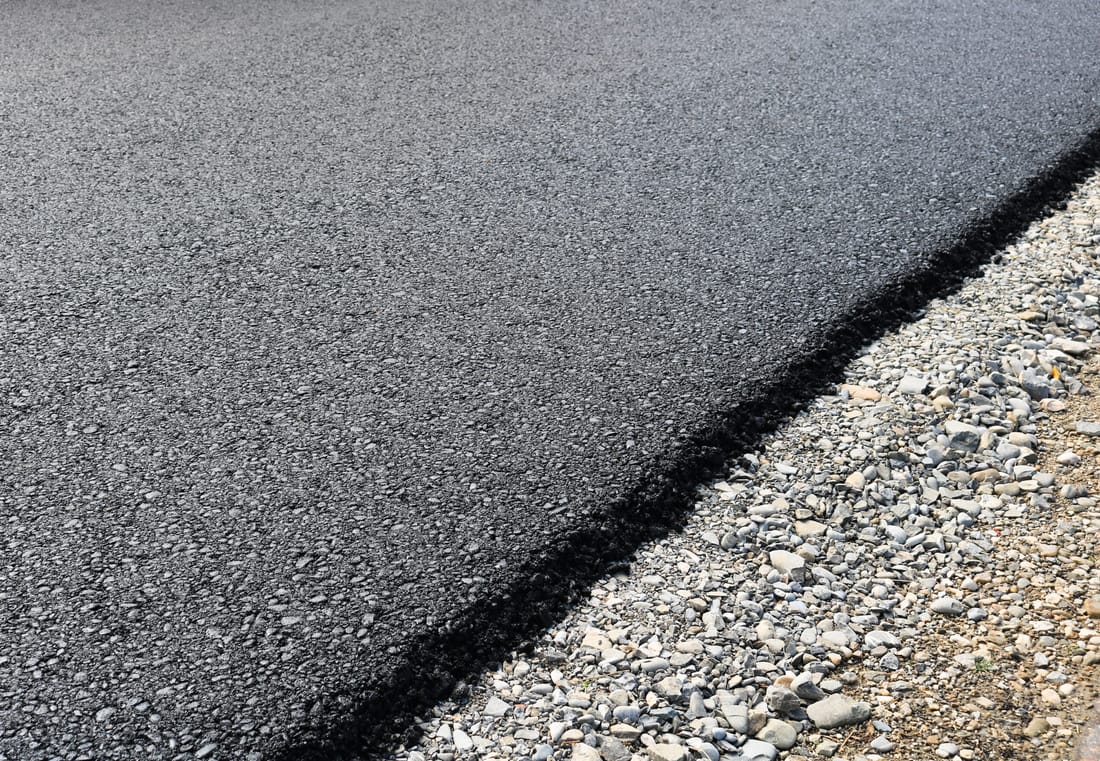
In Tucson, the biggest enemies of asphalt are UV exposure, wide temperature swings between blazing hot afternoons and cool nights, and monsoon season storms. Over time, the top layer dries out, oxidizes, and starts to ravel or crack. Resurfacing replaces that tired surface layer with new hot mix asphalt, restores a smooth driving surface, and seals out water so it cannot reach the base.
Our crews work all over Tucson and the surrounding communities, from older neighborhoods with narrow access drives to newer commercial centers with heavy traffic. We tailor our resurfacing approach to each site. For example, a HOA roadway with lots of residential traffic needs different planning and striping than a high turnover retail lot near Speedway or Broadway. The goal is the same in every case: a safer, smoother surface that will actually hold up in our local conditions, not just look good for a few months.
How Our Asphalt Resurfacing Process Works
A solid resurfacing job starts with a thorough inspection. Precision Asphalt Tucson evaluates the pavement for base failures, drainage issues, and structural cracking. If we see areas where the asphalt has alligator cracking or pumping (when water and fines squirt up under truck tires), we mark those out for full depth patching before any overlay goes down. Resurfacing over unstable spots only guarantees early failure.
Next, we clean and prep the existing pavement. This usually involves mechanical sweeping, power blowing, and in many cases milling at transitions. Milling means grinding down a controlled depth of the old asphalt so that when we place the new layer, the finished surface lines up cleanly with existing concrete pads, valley gutters, and adjacent streets. Around Tucson, we pay close attention to garage entries, gates, and ADA ramps since even a small height difference can create trip hazards or vehicle scraping.
Before placing the new asphalt, we apply a tack coat, which is a thin spray of asphalt emulsion that bonds the old surface to the new overlay. Skipping or skimping on tack is a common mistake that leads to slippage cracks, especially on slopes or at tight turning areas in parking lots. We use a calibrated distributor so coverage is even.
Then we place the new hot mix asphalt overlay. Typical overlay thickness for residential driveways runs about 1.5 to 2 inches compacted. Commercial lots or drive lanes that see delivery trucks might need 2 to 3 inches or a combination of leveling course plus surface course. We spread the mix with a paver for consistency, then compact it with steel drum and pneumatic rollers. In Tucson’s heat, temperature control and timing are critical. Our crew staggers loads and compaction so the asphalt is still workable when we roll it, which is what gives you a dense, long lasting surface instead of a porous one.
Once the asphalt has cooled enough, we complete striping, wheel stops, and any required signage. For properties inside the city of Tucson limits, we follow local parking layout and ADA requirements, including stall count, accessibility routes, and markings. We coordinate staging so parts of your lot can stay open when possible, especially for medical offices, retail sites, or apartment communities.
Material Choices, Thickness, and Options for Overlays
Not every overlay is the same. Precision Asphalt Tucson chooses mixes and overlay thicknesses based on the use of the pavement and your budget. For most overlays in and around Tucson, we use dense graded hot mix asphalt designed to handle high surface temperatures and provide a smooth finish. For areas with tighter budgets or lower traffic, we may recommend a thinner overlay combined with crack repair and localized patching, rather than a full depth replacement.
Leveling courses are one key option. If your lot has ruts, ponding areas after monsoon storms, or settled trenches from old utility cuts, we often place a thin leveling layer first. This layer fills low spots and corrects cross slopes so water drains to the right place instead of sitting in puddles that break down the asphalt. Then we place the final surface course over that. You end up with a lot that not only looks better but also drains better, which makes a bigger difference in lifespan than most people realize.
We also discuss edge details and tie ins. Around Tucson, many properties have a mix of asphalt, decomposed granite, and concrete. For overlays, we can saw cut and butt up to existing concrete, feather into gravel drives, or install small concrete valley gutters where runoff is a problem. These details help prevent the new overlay edges from unraveling, which is a common failure point when the transition is ignored.
If you are resurfacing a commercial property, you may want to take the opportunity to reconfigure the layout. An overlay project is often the ideal time to adjust stall layouts, add ADA spaces, or widen turning radii for delivery trucks. Since striping is part of the scope anyway, we can revise the plan to improve traffic flow without major extra cost. We review these options with you at the proposal stage, not after the fact.
Cost Factors and When Resurfacing Makes Sense
The cost of asphalt resurfacing in Tucson depends on several real world factors, not just square footage. The biggest driver is how much base repair and patching is needed before we can overlay. If your pavement has widespread structural failures, we will be upfront that a full reconstruction could be more sensible than paying for a thick overlay that will still move and crack. On the other hand, if the issues are mostly surface level with scattered problem spots, resurfacing is usually the most cost effective route.
Thickness and mix design also play into pricing. A thin 1.5 inch overlay over a small apartment lot will cost less per square foot than a 3 inch heavy duty overlay for truck access lanes at a warehouse. Access and phasing matter too. Tight sites in central Tucson, limited staging areas, or projects that must be completed at night or over weekends typically cost more, because of labor scheduling and shorter paving windows.
Timing the work around weather is important here. In our region, the best seasons for overlays are usually fall and spring, when daytime highs are warm enough to keep the asphalt workable but not so extreme that crews are forced into very short production days. Monsoon season adds another variable. We monitor forecasts closely and avoid paving when storms are likely, since sudden heavy rain on fresh asphalt can damage the surface and wash away tack.
Precision Asphalt Tucson provides detailed, line item proposals instead of lump sum numbers with no explanation. We break out patching, milling, overlays, and striping so you can see where the money goes and adjust the scope if needed. For example, you might decide to fully rebuild heavily loaded drive lanes now and overlay the remainder of the lot, with a plan to sealcoat on a set schedule. Our goal is to match the investment to how you actually use the pavement, whether you manage a small medical office near Grant Road or a larger industrial yard on the outskirts of town.
What Tucson Property Owners Should Know Before Hiring
Before you commit to any asphalt resurfacing project, it helps to ask the right questions. First, make sure the contractor is actually evaluating the base and drainage, not just measuring and giving you a generic overlay price. In Tucson, poor drainage and soft spots from old irrigation leaks or broken water lines are common. If those are not dealt with before the overlay, you will see reflective cracking and depressions come back quickly.
Ask how transitions will be handled at gates, dumpster pads, ADA ramps, and neighboring streets. An overlay that creates a lip at a dumpster enclosure or a steep slope at an entrance can cause daily headaches for tenants and delivery drivers. We walk these locations with you, explain what milling or adjustments are needed, and include those in our written scope so there are no surprises on paving day.
You should also understand the downtime required. At most Tucson temperatures, light vehicle traffic can usually return to a new overlay within 24 hours, although heavily loaded trucks may need a bit longer. For busy commercial sites, we can phase the work so only part of the lot is closed at a time, with clear signage and access paths. We talk through trash pickup schedules, deliveries, and peak customer hours before we schedule.
Finally, ask about the long term plan. A quality overlay is a fresh start, but it still needs maintenance. Precision Asphalt Tucson typically recommends a sealcoat cycle once the new asphalt has cured, then periodic inspections to reseal cracks as they appear. Since the sun is strong here year round, staying ahead of oxidation and water intrusion is what keeps that overlay performing. When we finish a project, we leave you with specific maintenance suggestions based on your property type, not a generic brochure.
If you are considering asphalt resurfacing for your Tucson property, we are happy to walk the site with you, mark problem areas, and discuss options that fit both the pavement condition and your budget. Clear explanations, not guesswork, are what lead to overlays that actually last in Southern Arizona.