Home › Gravel-to-Asphalt Conversions
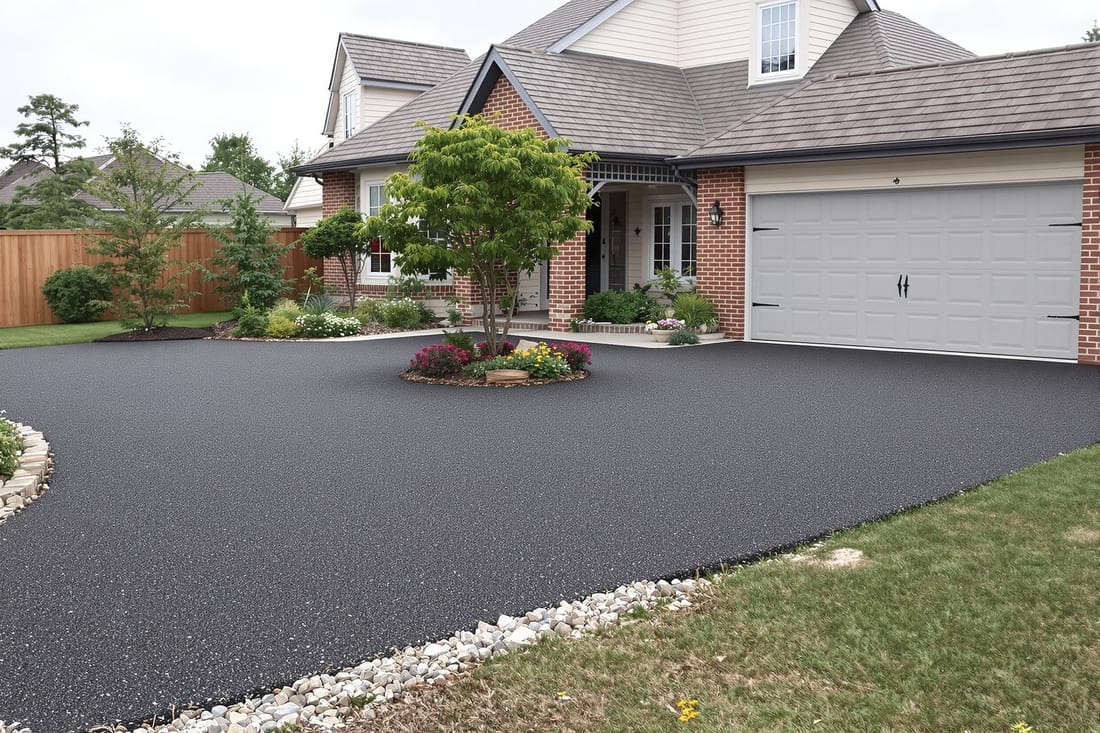
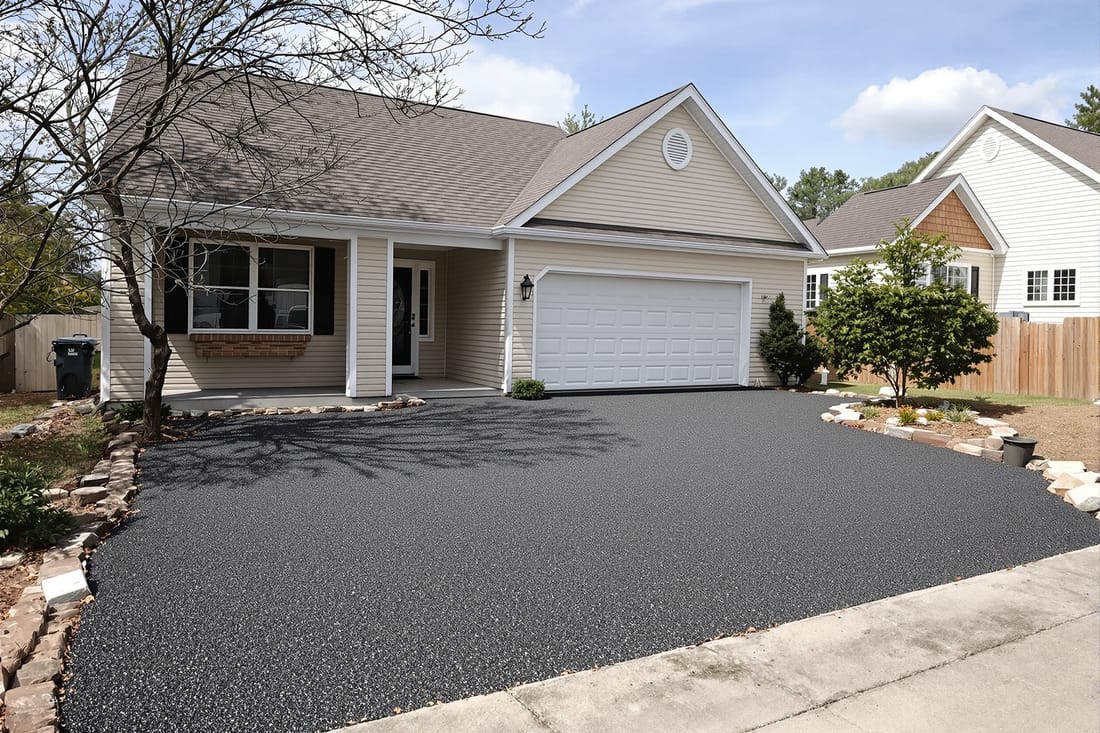
Our gravel to asphalt driveway conversions in Tucson, AZ turn dusty, uneven drives into clean, easy to maintain asphalt surfaces. We regrade and compact your existing base, add material where needed, then pave a smooth blacktop driveway. The result is better access, less mess, and improved curb appeal.
Precision Asphalt Tucson provides professional gravel to asphalt driveway throughout Tucson, AZ, Arizona and the surrounding area. Our licensed, insured crew delivers safe, clean, on-time work with a free estimate before anything begins. Call (520) 900-1515 or request your free quote.
Turn Your Dusty Gravel Driveway Into Clean Asphalt You Can Count On
If you are tired of dust clouds, ruts, and loose rock, a gravel to asphalt driveway conversion can make a big difference in how you use your property. At Precision Asphalt Tucson, we focus on taking existing gravel driveways in Tucson and turning them into solid, low‑maintenance asphalt that handles heat, monsoon rain, and daily traffic.
A proper conversion is more than just putting blacktop over gravel. The existing base has to be checked, shaped, and compacted to handle Tucson's hot summers and sudden downpours. We look at how water currently moves across your driveway, where the gravel is thin or soft, and whether your current base can support the new asphalt without future cracking or sinking.
Every property is different. Narrow residential drives in older Tucson neighborhoods, long rural lanes on the outskirts, and small commercial lots off major roads all need a different approach. Precision Asphalt Tucson starts by walking the entire area with you, pointing out elevation changes, low spots that hold water, and access points you may want to widen or straighten before asphalt goes down.
How We Convert Gravel To Asphalt Step By Step
A clean gravel to asphalt driveway starts with stripping and reshaping the existing surface. First, our crew grades the gravel with a skid steer or motor grader to remove high spots and fill shallow ruts. If the existing gravel is too thin or contaminated with a lot of dirt, we either reprocess it with a reclaimer or haul in fresh aggregate to build a solid base.
Next, we focus on drainage. Tucson does not get rain often, but when monsoon storms roll through, water hits hard and fast. We shape the driveway with a slight crown or cross slope so water sheds quickly, and we cut shallow swales or tie into existing culverts where needed. If water currently runs toward your home, garage, or carport, we correct that before any asphalt is placed.
Once the shape is right, we compact the base. Precision Asphalt Tucson uses heavy vibratory rollers and plate compactors near edges to reach proper density. Soft areas that pump under the roller are excavated and replaced with new aggregate or, in problem spots, stabilized with additional base material. Compaction is what prevents wheel ruts and later cracking.
With the base stable and shaped, we apply an asphalt binder tack coat when needed so the new layer bonds properly. Then we place hot mix asphalt with a paver or, on tighter residential drives, hand spread it and compact with steel drum and pneumatic rollers. We typically install 2 to 3 inches of asphalt for residential gravel to asphalt driveway conversions, and 3 or more inches in two lifts for heavier traffic or work trucks.
Edges are then compacted and trimmed. Where the asphalt meets dirt or existing concrete, we either taper it to create a smooth transition or cut a clean joint so it looks finished and does not break off at the edges.
Design Choices: Thickness, Mix Type, And Layout For Tucson Conditions
Not every gravel to asphalt driveway should be built the same. Precision Asphalt Tucson helps you choose the right thickness, asphalt mix, and layout for how you actually use your driveway and the type of soil on your property.
For most Tucson homeowners with standard vehicles, a 2 inch compacted asphalt layer over a solid base is the minimum we recommend. If you have RVs, trailers, or frequent deliveries, stepping up to 3 inches or using two lifts gives better long term performance. In areas where the subgrade is weaker or where you often park heavy vehicles, we may suggest beefing up the base rock instead of just adding more asphalt.
Asphalt mix options also matter in our climate. Tucson heat can soften cheaper mixes, which leads to scuffing when you turn your wheels. We use hot mix designs suited for high temperatures, with the right oil content and aggregate blend to resist rutting in summer but still flex a bit when nights get cooler. For shaded areas that tend to stay damp after storms, we may favor mixes with slightly more voids to improve surface friction.
Layout is another place you can tailor your project. During a conversion, it often costs less to widen a gravel drive or straighten a tight curve before the asphalt goes down. We can add parking pads beside the main drive, reinforce turnaround areas, or create a clean apron at the street to cut down on tracking dirt and gravel onto city roads.
Edge treatment is one more design choice. On rural properties, a compacted earth shoulder may be fine. In tighter urban yards, we might recommend concrete or brick borders, or simply a slightly extended asphalt shoulder, to support vehicle tires when you pull off to the side.
What Affects Cost And Common Issues We Solve In Tucson
Customers often ask what drives the cost of a gravel to asphalt driveway conversion. The biggest factors are base condition, driveway length and width, and total asphalt thickness. If your existing gravel is deep, well compacted, and drains well, we can usually use much of it as the base, which keeps cost down. If we find soft, muddy, or clay heavy areas under the gravel, we have to undercut and rebuild those sections, which adds to the budget but prevents future failure.
Access for equipment also matters. Long, narrow drives with tight gates take more labor and smaller equipment, which increases time on site. Steep slopes or sharp curves require more grading work and sometimes extra base material to build a safer approach.
In Tucson, one common issue is low spots that only show up after a hard monsoon rain. During our site visit, we look for signs like washed out gravel, silt deposits, or lingering damp patches. When converting to asphalt, we correct those by regrading the base, adding cross slopes, or tying into existing drainage features. Skipping this step is a major reason some new asphalt driveways start cracking or settling in just a couple of years.
Another local concern is sun damage over time. While asphalt will naturally fade from deep black to gray under Tucson UV exposure, premature drying and raveling usually have a cause. We place asphalt only when temperatures and surface conditions are right, and we compact to proper density so the surface ages more slowly. We also talk with you about timing future sealcoating, usually 6 to 12 months after installation, so the new driveway has time to cure before getting a protective coat.
Utility access is a final cost factor many people forget. If you have septic tank lids, water shutoff boxes, or conduit crossings in or near the driveway, we plan around them, adjust elevations, or install risers so they remain accessible and flush with the finished asphalt.
Timing, Permits, And What To Expect From Precision Asphalt Tucson
Gravel to asphalt driveway projects around Tucson are very sensitive to timing. Our best windows are typically from late fall through late spring, when daytime highs are comfortable and we avoid the peak of monsoon storms. That said, Tucson stays warm enough most of the year to pave, as long as we work around rain and extreme heat. On very hot days, we may start early in the morning so the asphalt can be placed and compacted before it skins over too quickly.
For most residential gravel driveways, the conversion itself takes one to three days, depending on size and how much base correction is needed. Day one usually covers grading and base work. Day two is paving and final compaction. Larger or more complex projects can stretch to a third day. You can typically walk on the new surface the same day and drive on it within 24 to 48 hours, depending on temperature.
In many Tucson and Pima County areas, replacing an existing gravel driveway with asphalt does not require a full building permit, but street connections, culvert changes, or major layout changes might require approvals. Precision Asphalt Tucson is familiar with local requirements and can advise you when you may need to coordinate with the city, county, or HOA. We keep slopes and transitions in line with accepted standards so emergency and service vehicles can safely access your property.
Before we start, we ask you to move vehicles, trailers, and portable items away from the work area, and to let neighbors know if access or parking will be briefly affected. During installation, our crew controls dust from grading, keeps aggregate and asphalt off your landscaping as much as possible, and cleans up loose material along edges when the job is done.
When we leave, you will have a solid, smooth gravel to asphalt driveway with clear drainage and a layout that matches the way you actually live and drive. We walk the finished project with you, point out key maintenance tips specific to Tucson conditions, and answer any questions about caring for your new surface so it serves you well for many years.